Brain Builders
Why reading aloud to your ten-year-old is a brilliant idea
Think bedtime stories are just for toddlers? Reading aloud to an older child still builds vocabulary, understanding and connection, long after they can read alone. Here's why it's worth keeping going.
BAMJOY Editorial Team · 9 min read · For Families ·
Beyond the early years: the enduring magic of reading aloud
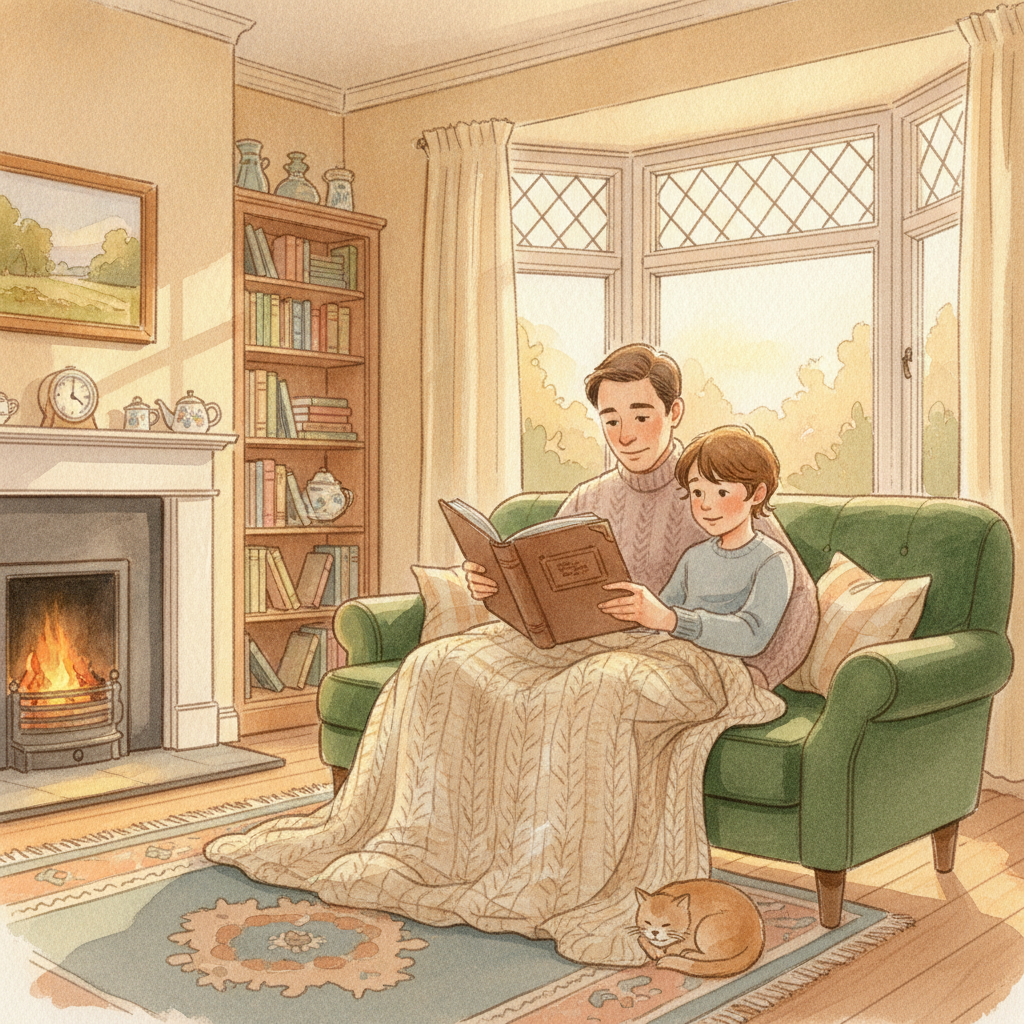
Ah, the cherished ritual of the bedtime story. For many of us, it conjures images of snuggling up with a picture book and a tiny tot, lost in the adventures of a hungry caterpillar or a mischievous rabbit. We intuitively understand the immense value of reading aloud to our preschoolers – the vocabulary boost, the imaginative spark, the precious bonding time. But what happens when our little ones aren't so little anymore? When they’re confidently tackling chapter books on their own, perhaps even scoffing at the idea of you reading to them? Do the benefits suddenly evaporate once they master independent reading? Absolutely not. The research is clear that the benefits continue well beyond the early years.
Indeed, the notion that reading aloud is exclusively for the pre-literate crowd is a myth we’re keen to bust. Far from being a developmental crutch, continuing to read aloud to children well into their primary school years – yes, even to your ten-year-old! – offers a surprisingly rich tapestry of cognitive, emotional, and social advantages. It's not just about literacy; it's about nurturing a love for learning, strengthening family bonds, and quite literally, building better brains. This isn't wishful thinking; it's grounded in serious brain science and developmental psychology.
In this article, we look at why this simple, often overlooked practice remains one of the most powerful tools in your parenting toolkit. We'll explore how it continues to supercharge cognitive development, deepen your family connection, and subtly cultivate crucial life skills. So, grab a cuppa and let’s turn the page on why the bedtime story, or indeed any-time story, is far too valuable to abandon as your children grow.
The magical brain workout for growing minds
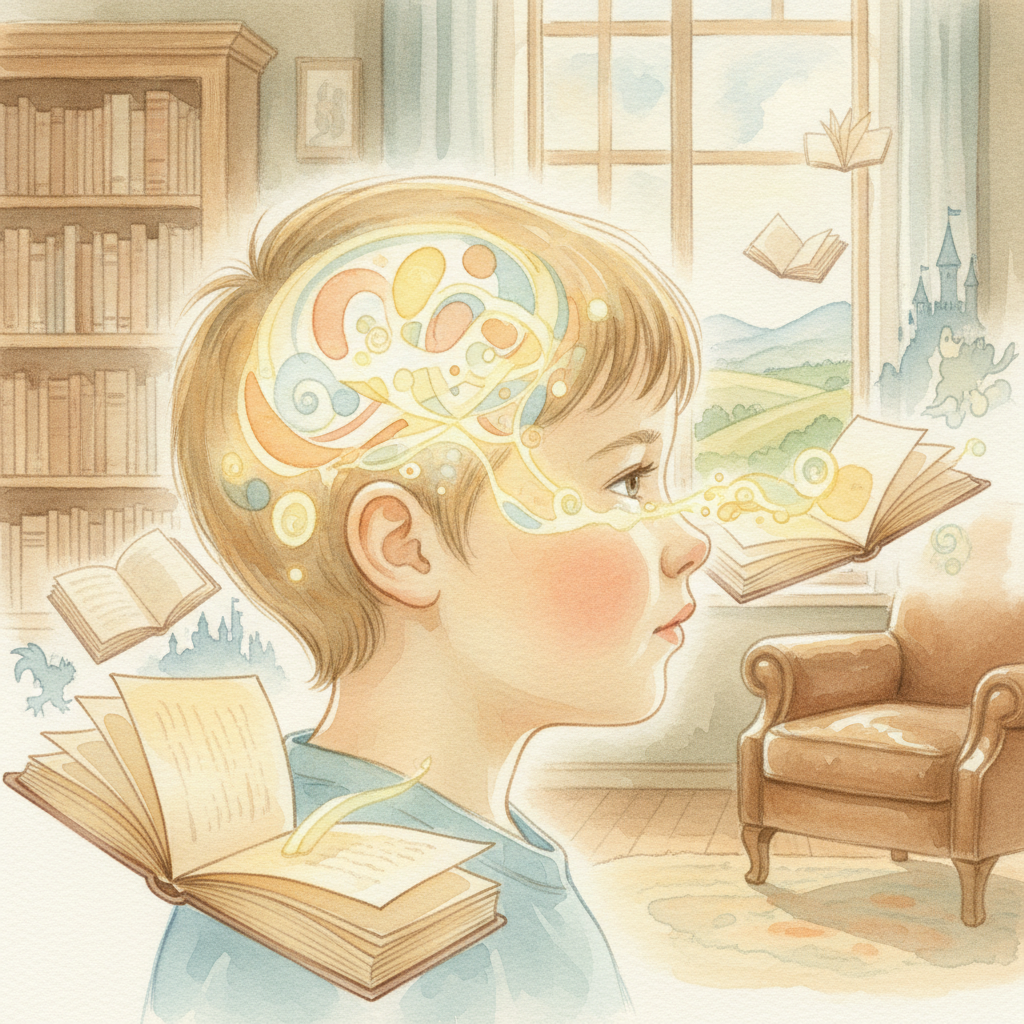
When your child is independently reading, their brain is primarily focused on decoding words – linking letters to sounds and recognising familiar patterns. This is a monumental task, and their cognitive resources are largely dedicated to that mechanical process. However, when you read aloud, you liberate their brain from this heavy lifting. They can simply listen, allowing their minds to fully engage with the story's content, structure, and underlying meaning. This distinction is crucial for advanced cognitive development.
Dr. Maryanne Wolf, a renowned cognitive neuroscientist and author of 'Proust and the Squid: The Story and Science of the Reading Brain', speaks extensively about the 'reading circuit' and how it evolves. When children are read to, particularly complex narratives, they're exposed to a far wider vocabulary and more intricate sentence structures than they might encounter in books they'd choose for themselves. This exposure doesn't just expand their lexicon; it builds their 'listening comprehension', a distinct and foundational skill. Research has long found that children understand more from listening than from their own reading until roughly the start of secondary school. By reading aloud, you're meeting them where they are cognitively, allowing them to grasp sophisticated concepts and narratives that might be too challenging for them to read independently.
This brain workout isn't just about vocabulary. It's about developing critical thinking skills, too. As children listen, they’re predicting what might happen next, making inferences about characters' motivations, and connecting different parts of the plot. These are executive functions – the higher-level cognitive processes that help us plan, focus attention, remember instructions, and juggle multiple tasks. By hearing a story, they're practising these vital skills in a low-pressure, engaging environment. They're also exposed to different narrative styles and genres, broadening their literary horizons and encouraging a more nuanced appreciation of storytelling, which in turn enhances their own writing and communication abilities.
Building bridges, not just brains: the power of connection
In our busy modern lives, genuine, uninterrupted connection with our children can sometimes feel like a rare commodity. Between school runs, homework, after-school clubs, and the general hurly-burly of family life, finding moments to simply be together, truly present and engaged, is invaluable. This is where reading aloud truly shines as a parenting superpower, fostering a profound sense of emotional closeness and connection that transcends the pages of a book.
Dr. John Gottman, the world-renowned relationship expert, talks about the importance of 'emotional bids' and 'turning towards' them. An emotional bid is any attempt from one person to another for attention, affirmation, affection, or any other positive connection. When you invite your child to share a story, or they ask you to read, it's a powerful emotional bid. By saying 'yes' and engaging fully, you're turning towards them, affirming their desire for connection and reinforcing the security of your bond. It's a quiet, comforting ritual that creates a shared space for intimacy and understanding, free from screens or distractions.
This shared experience isn't just about the physical closeness; it's about shared emotional processing. When you read a story with complex characters facing challenges, you create an opportunity to discuss feelings, morality, empathy, and different perspectives. How did that character feel? What would you have done? These conversations, often sparked by the narrative, help children develop emotional literacy and empathy – crucial components of social intelligence. They learn to recognise and understand emotions, both in themselves and others, building their capacity for navigating the complexities of human relationships in a safe, fictional context. This dedicated, one-on-one time acts as a consistent anchor, strengthening family learning and connection, no matter how old your child gets.
Beyond the bedtime story: winding down and wisdom
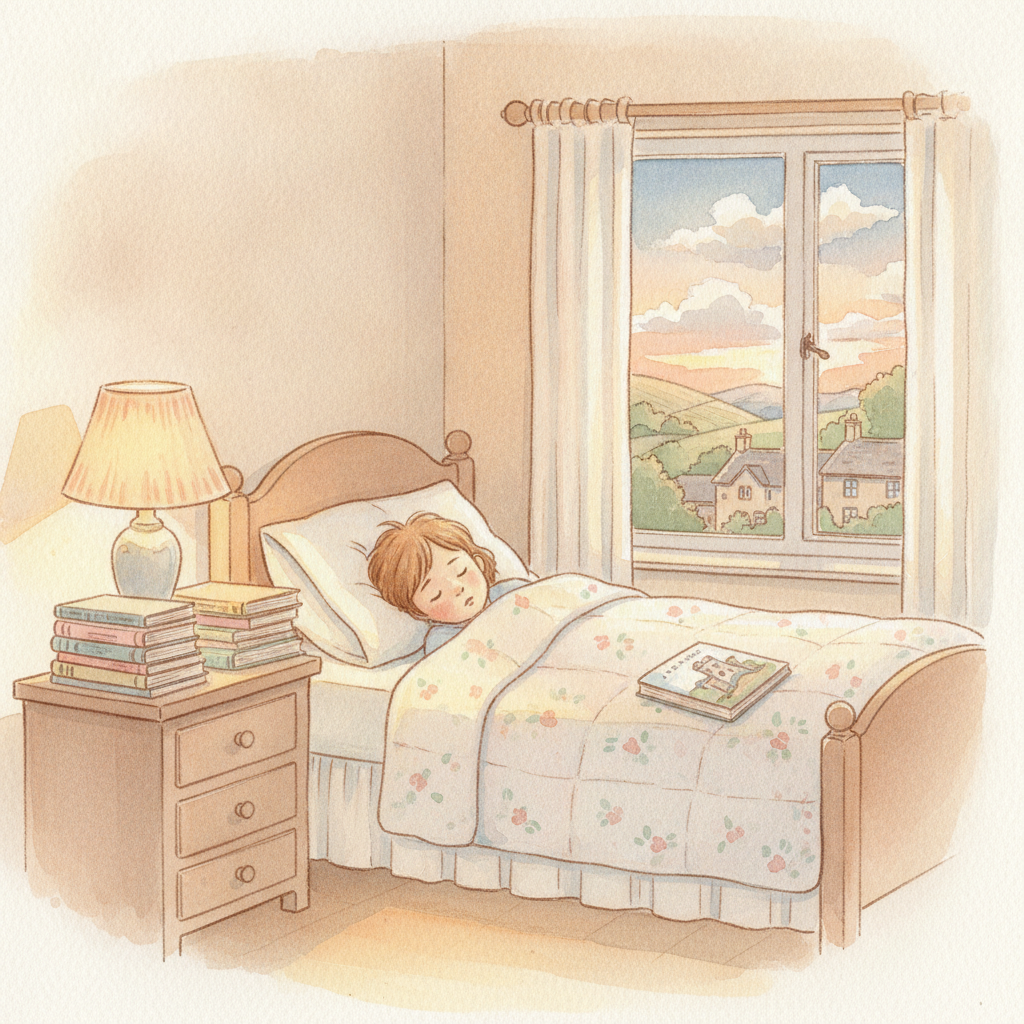
While often associated with bedtime, the benefits of reading aloud extend far beyond the 'goodnight' ritual. However, its role in creating a calming pre-sleep routine is particularly potent in our screen-saturated world. Screens in the hour before bed tend to delay children's sleep, partly through their bright light and partly because games and videos keep the brain alert. Dr. Matthew Walker, a leading neuroscientist and sleep expert, frequently highlights the detrimental impact of screens on sleep quality in his work, such as 'Why We Sleep'. He advocates for calming pre-sleep routines that don't involve electronic devices.
Reading aloud offers a beautiful antidote. It provides a natural, gentle way to transition from the day's excitement to peaceful slumber. The soothing rhythm of your voice, the quiet focus on a story, and the absence of stimulating visuals help the brain power down and prepare for rest. It's a wonderful alternative to screen time, fostering a calmer mind and promoting better sleep, which, as Dr. Walker would attest, is fundamental for learning, memory consolidation, and overall child development.
Moreover, reading aloud exposes children to wisdom and perspectives beyond their immediate experience. Classic literature, historical fiction, or even complex contemporary novels often explore themes of resilience, justice, compassion, and courage. By hearing these stories, children indirectly 'live' through these experiences, gaining insight and building a mental library of solutions and strategies for life's inevitable challenges. It's a form of passive mentorship, offering valuable life lessons through engaging narratives, subtly shaping their worldview and developing their moral compass without being prescriptive.
Fostering a lifelong love of learning, not just literacy
One of the most profound, yet often underestimated, benefits of continuing to read aloud to older children is its role in fostering a genuine, enduring love of learning. For children who might find independent reading a chore, or those who struggle with literacy, being read to can be a lifeline. It ensures they still access the rich, imaginative worlds within books, preventing them from associating reading solely with difficulty or frustration. This keeps their literary curiosity alive and reminds them that books are sources of pleasure, not just academic tasks.
For confident readers, being read to allows them to experience books they might not pick up themselves – perhaps a challenging classic, a weighty historical tome, or a genre outside their usual comfort zone. You become a literary guide, opening doors to new authors, complex themes, and diverse perspectives. This exposure broadens their appreciation for literature and cultivates a more adventurous reading palate, which is a hallmark of a lifelong learner. It shifts the focus from the mechanics of reading to the sheer joy and discovery inherent in stories.
By making reading a shared, enjoyable, and low-pressure activity, you reinforce the idea that learning is a continuous journey of exploration, not just about reaching a fixed level of competence. It shows children that even adults continue to learn and appreciate new stories. It frames reading as a delightful collaborative experience, rather than a solitary test. This positive association with reading and family learning cultivates an intrinsic motivation for intellectual curiosity, ensuring that books remain cherished companions long after they've left the nest.
Practical tips for making read-alouds work for older kids
So, how do you reintroduce (or continue!) this wonderful practice with an older, perhaps initially reluctant, child? It's often about adapting the 'bedtime story' concept to fit their age and interests. Firstly, let them choose the book! Giving them agency vastly increases their investment. This could be anything from graphic novels (which are fantastic for visual literacy) to non-fiction books about their favourite hobby, or a thrilling fantasy series. Remember, the goal is shared enjoyment and connection, so follow their lead where possible.
Secondly, timing is everything. It doesn't have to be strictly at bedtime, nor does it have to be every night. Perhaps it’s a chapter during a lazy Sunday afternoon, a shared listen in the car on a long journey (audiobooks count!), or a segment over breakfast. The key is to find a natural, relaxed moment when both you and your child can be present and uninterrupted. Keep it flexible, but aim for consistency when possible. Even 15-20 minutes a few times a week can make a huge difference.
Finally, make it interactive and fun. Don't be afraid to use different voices for characters (even if they sound a bit silly!), pause to discuss interesting plot points, or ask open-ended questions that encourage critical thinking. 'Why do you think the dragon did that?' or 'What would you have done in their shoes?' These questions transform passive listening into active engagement. And remember, it's not a performance; it's a shared experience. The most important ingredient is simply being together, sharing stories, and creating lasting memories.
Experts referenced in this article: Maryanne Wolf, John Gottman, Matthew Walker
- reading aloud
- older children
- reading comprehension
- family reading
- bedtime stories
Enjoyed this? Create a personalised story with your child on BAMJOY.