Brain Builders
Bedtime stories: how they literally rewire your child's brain
That cosy bedtime ritual is doing more than just winding down your little one; it's actively sculpting their brain! We're diving into the fascinating science of neuroplasticity and how reading together literally rewires your child's mind for incredible growth.
BAMJOY Editorial Team · 7 min read · For Families ·

More than just a story: the brain's incredible wiring act
There's a certain magic to bedtime stories, isn't there? The hushed tones, the turning pages, the shared adventure into lands unknown – it's a cherished ritual for many families across the UK. But what if we told you that this seemingly simple act of reading a story is one of the most powerful brain-building activities you can do with your child? It's not just about learning words; it's about actively sculpting and strengthening their brain architecture, laying down the neural foundations for a lifetime of learning and connection.
We're talking about something called neuroplasticity, which sounds terribly scientific, but it simply means your brain's amazing ability to change and adapt throughout life. Think of it like a bustling, ever-expanding city where new roads are built, old ones are widened, and even entire districts are redeveloped based on what the city needs. For children, especially during those crucial early childhood development years, their brains are in hyper-drive, constantly forming and strengthening connections in response to every single experience. And guess what? Stories are a superhighway for this neural construction work.
Over the next few minutes, we're going to dive into the fascinating world of neuroscience to see how shared reading supports your child's brain development. We’ll explore how your child's brain actively forms new circuits, strengthens crucial cognitive skills, and even builds empathy, all thanks to the humble picture book. So, grab a cuppa (and maybe your favourite children's book!), because you’re about to discover the profound, scientifically-backed power of story time.
Building a 'reading circuit': Maryanne Wolf's insights
When your child listens to a story, their brain isn't just passively absorbing information; it's engaging in an incredibly complex and dynamic process. One of the leading voices in the science of reading, Dr. Maryanne Wolf, a cognitive neuroscientist and author of Proust and the Squid: The Story and Science of the Reading Brain, beautifully explains how our brains are not naturally wired for reading. Instead, we have to create a reading brain.
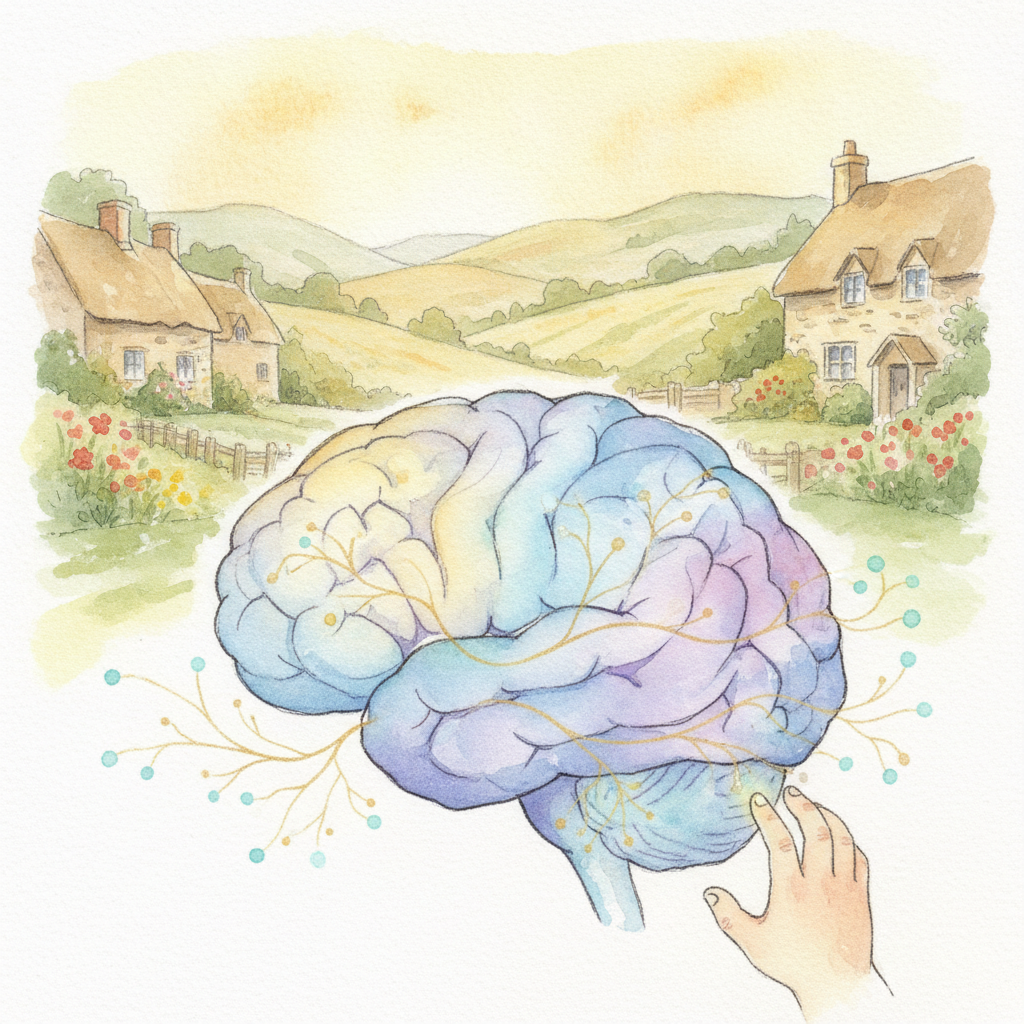
This 'creation' happens through neuroplasticity. When a child learns to read, or even just listens to stories, their brain repurposes and reorganises existing neural circuits – pathways of connected neurons – that were originally designed for other functions, like vision or language. These circuits then link up to form a brand new, highly efficient 'reading circuit'. Think of it like taking a collection of disparate tools and assembling them into a brand-new, specialised machine. Each time you read with your child, you're helping to fine-tune and strengthen this burgeoning circuit, making the process of understanding and decoding language smoother and more robust.
Dr. Wolf’s research highlights that this isn't just about recognising letters; it's about integrating multiple brain functions. Listening to a story engages areas responsible for sound processing, visual imagery (as they imagine the characters and settings), and language comprehension. This intensive workout for the brain is fundamental to reading and brain development, shaping how effectively they will process information, understand complex narratives, and eventually, become fluent readers themselves.
Narrative as a neural workout: empathy and theory of mind
It's not just the mechanics of language that benefit from story time. Narratives are powerful tools for developing crucial social-emotional skills. When your child listens to a story, they're stepping into the shoes of characters, experiencing their dilemmas, celebrating their triumphs, and understanding their motivations. This process is a robust workout for their 'theory of mind' – the ability to attribute mental states (beliefs, intents, desires, emotions, knowledge) to oneself and to others and to understand that others have beliefs, desires, intentions, and perspectives that are different from one's own.
Studies suggest that engaging with narrative fiction can modestly improve empathy and perspective-taking, though researchers still debate how large the effect is. As children follow a character's journey, they naturally practise perspective-taking, trying to understand why a character behaved in a certain way or how they might be feeling. This isn't just a nice-to-have skill; it's foundational for successful social interactions, conflict resolution, and forming meaningful relationships throughout life. The brain regions associated with understanding others' emotions and intentions light up during story engagement, literally building the neural pathways for compassion and connection.
So, while your little one is giggling at the Gruffalo or sympathising with Paddington Bear, their brain is busy wiring up their capacity for empathy. Stories give children regular, low-risk practice at imagining how other people think and feel. The more varied the characters and experiences your child encounters through books, the richer their internal library of human experience becomes, directly contributing to their social and emotional intelligence.
The power of interaction: back-and-forth reading
While simply reading to your child is incredibly beneficial, the magic truly amplifies when you make story time a dynamic, interactive experience. This isn't about perfectly enunciating every word, but about engaging in a 'serve and return' interaction, a concept brilliantly highlighted by research from the Harvard Center on the Developing Child, led by experts like Dr. Jack Shonkoff. Just like a tennis match, where one person serves and the other returns, responsive interactions build healthy brain architecture.
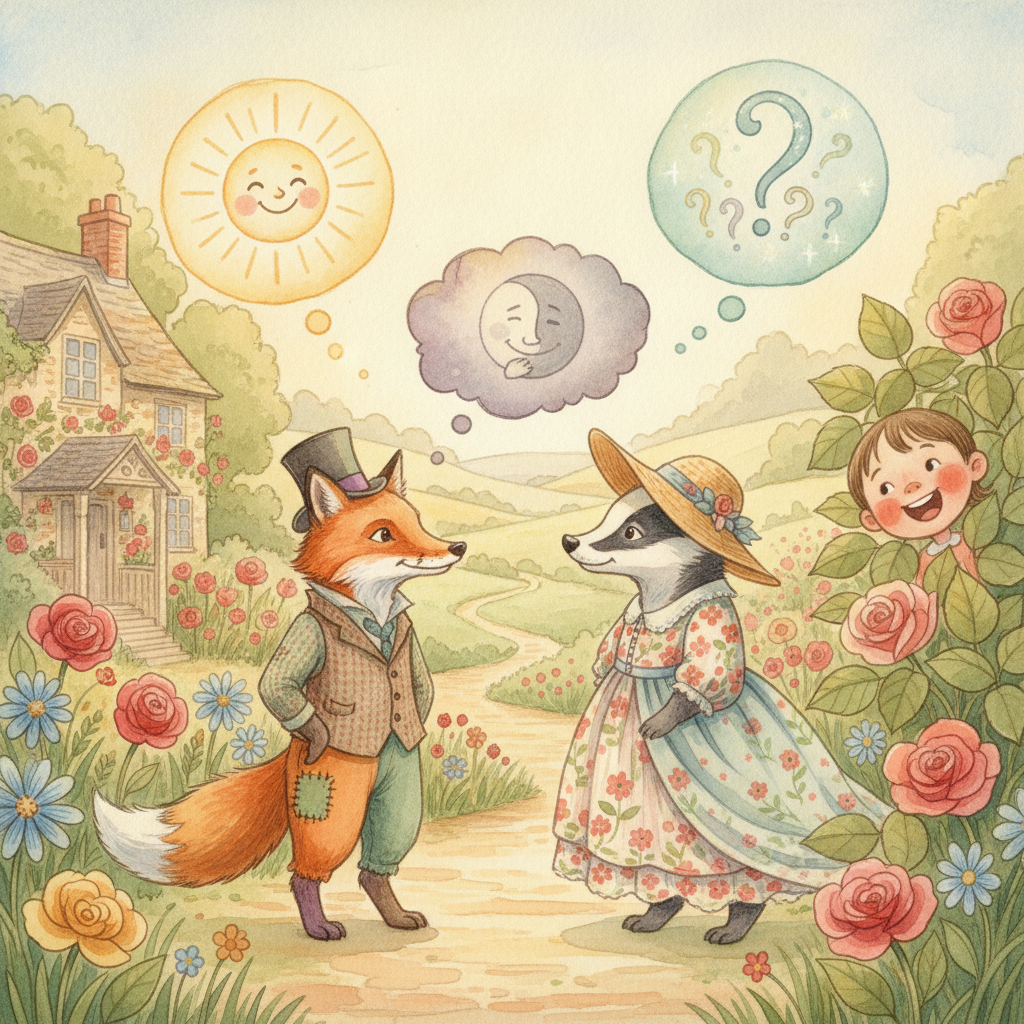
When you ask questions like, 'What do you think will happen next?' or 'How do you think that character feels?', point to illustrations, or even make silly voices for different characters, you're transforming story time into a rich dialogue. This 'dialogic reading' encourages your child to actively participate, predict, infer, and connect the story to their own experiences. These back-and-forth exchanges stimulate more complex neural networks, boosting their cognitive skills far beyond passive listening.
This kind of interactive play and learning during reading strengthens vocabulary acquisition, as you explain new words in context. It enhances comprehension, as your child actively processes and discusses the plot. And crucially, it fosters a deeper bond between you and your child, making the experience emotionally rewarding and further reinforcing the positive associations with reading. So, don't be afraid to deviate from the script, encourage questions, and let your child lead the conversation sometimes – it’s all brilliant brain fuel!
Beyond the pages: memory, vocabulary, and executive functions
The benefits of reading and brain development extend well beyond literacy and empathy. Regular story time is a fantastic exercise for your child's memory. Recalling plot points, remembering character names, and predicting outcomes all contribute to strengthening their working memory and long-term memory. Children begin to recognise patterns in stories, anticipate repetition, and build a mental framework for narrative structure, which is a significant cognitive achievement.
Vocabulary expansion is another monumental gain. Children are exposed to a wider array of words than they might encounter in daily conversation. When you read a book, you often encounter words that are not common in everyday speech. Hearing these words in context helps children internalise their meanings, building a richer lexicon that will serve them well in school and throughout life. This increased vocabulary isn't just about sounding clever; it directly impacts their ability to understand complex texts, articulate their own thoughts, and engage in sophisticated discussions.
Furthermore, stories help develop crucial executive functions – a set of cognitive skills that are essential for planning, problem-solving, and self-control. As children follow a plot, they learn sequencing, cause and effect, and how actions lead to consequences. They practise sustained attention, holding the story in their minds even as it unfolds over many pages. These skills, often nurtured through focused engagement with narratives, are vital for academic success and navigating the complexities of the world, making bedtime stories a powerful tool for developing key life skills.
The lasting legacy: a love for learning and connection
In essence, every time you open a book with your child, you're not just sharing a story; you're building bridges in their brain. You're supporting your child's brain development at its most basic level, using the brain's natural ability to change as it learns. This daily ritual, seemingly small, accumulates into a profound impact, creating a strong foundation for future learning, creativity, and emotional intelligence.
The warmth, the closeness, the shared laughter, and the quiet contemplation during story time also strengthen your emotional bond. This secure attachment creates a safe space for your child to explore new ideas and feelings, knowing they have your loving support. It's a holistic experience that nourishes their mind, heart, and spirit, leaving a lasting legacy far beyond the final 'the end'. It truly is a remarkable investment in their future. Who knew a bit of quiet time with a good book could be so powerful?
Experts referenced in this article: Maryanne Wolf, Jack Shonkoff
- bedtime stories
- reading aloud
- child brain development
- dialogic reading
- early years
Enjoyed this? Create a personalised story with your child on BAMJOY.